

Find low competition SEO keywords to rank faster, drive targeted traffic, improve search visibility, and grow your website with smart SEO.It’s time to act now that you know exactly what low competition keywords are and why they can revolutionise your SEO strategy.I’ll provide a methodical process for identifying the top low-competition keywords for your website in the following section. Whether you’re optimizing a blog or a local business, these strategies will help you identify the right keywords, analyze their potential, and use them effectively to drive organic traffic.
What Are Low Competition Keywords?
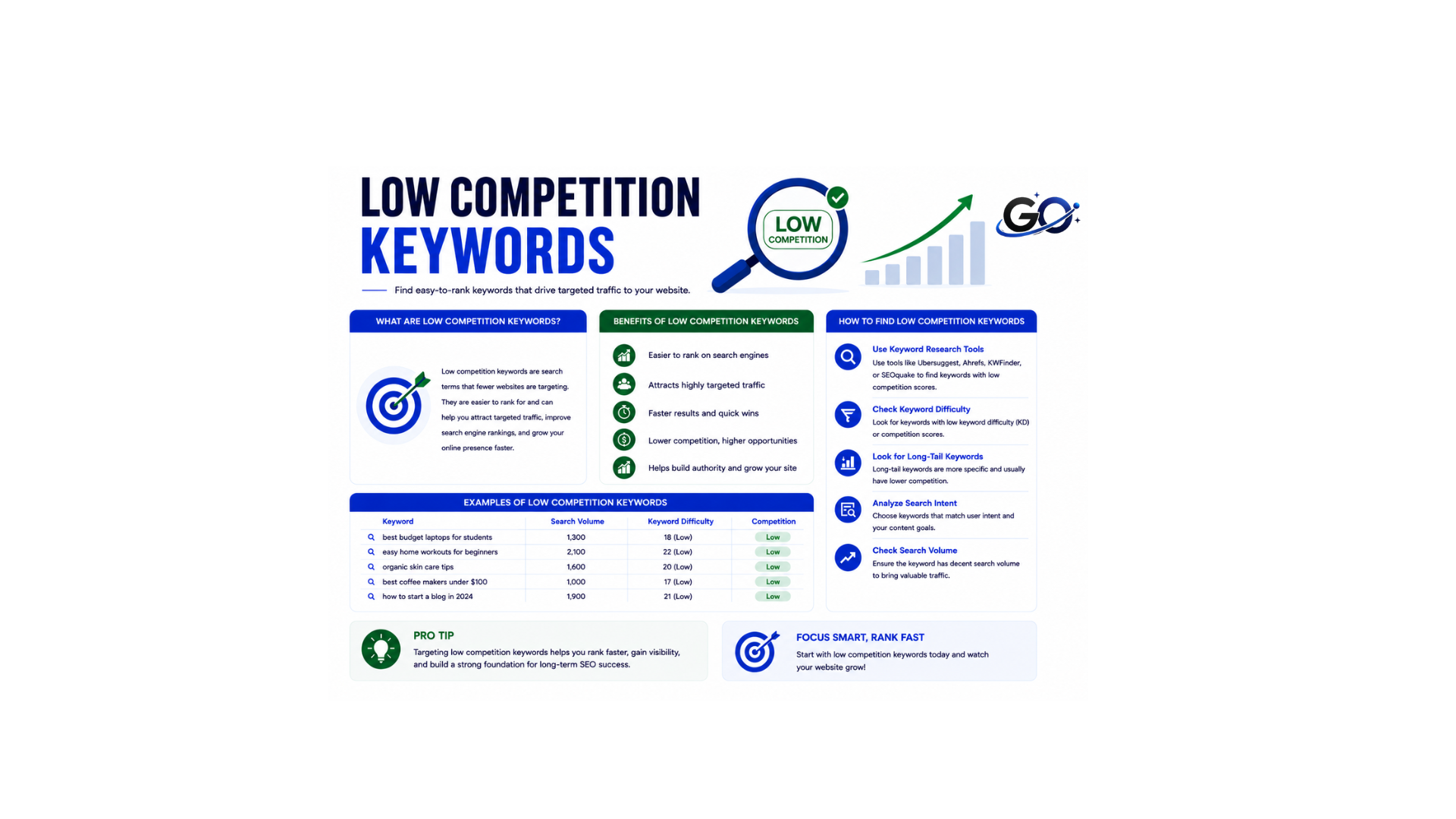
Fewer companies and websites actively fight for low-competition keywords on search engine result pages. Due to the lack of rivalry, these keywords offer excellent chances for search engine optimisation (SEO) tactics.Often, you may rank for them and obtain organic traffic to your website without building a lot of connections or having a high domain rating.
Why Low Competition Keywords Are Important
They provide your company the early expansion it needs to start creating a more robust long-term strategy. As SEO specialists, if we begin with a customer who is:
- A start-up
- Has a new website
- Has little to no domain rating
- In a super competitive industry
Or a mix of the above, the pressure to achieve results quickly sets in.We need to apply our SEO knowledge to ensure that our clients stick with us!
Every client understands that it can take six to twelve months to see significant benefits from SEO, but they start to worry when there are no sales for the third month. Low-competition keywords are therefore crucial to SEO and content marketing strategies. Finding low-competition keywords requires little to no domain authority and little to no link building.
Simply building a blog with low-competition keywords might result in long-tail rankings and comparatively fast traffic if done right.
Start With Seed Keywords You Already Know
What questions do your customers or readers ask you?
What topics does your existing content touch on without going deep?
What specific problems does your product or service solve?
These seed keywords don’t need to be perfect. They’re starting points that you’ll refine.
For example, if you run a marketing blog, your seeds might be “keyword research,” “seo for beginners,” or “content strategy.”
Focus on Long-Tail Keywords
LLong-tail keywords indicate more special discovery inquiries and are often three words or longer. They receive highly targeted traffic and despite small search versions, are often easy to rank.
For instance: Try the best running shoes for beginners with flat legs instead of the highly competitive words “running shoes”.
Because consumers who find these circumstances typically know what they are looking at, long-tail keywords frequently have excellent conversion rates.
Check Keyword Difficulty Scores
Checking the keyword difficulty comes next. You may determine how difficult it will be to appear on Google’s first page for a certain search query by looking at a measure of keyword difficulty. The weighted average of backlinks to the top ten search results is used to compute it. Theoretically, a keyword’s difficulty decreases with its ease of ranking. This is because the top 10 ranking URLs won’t have many linked domains.
Currently, there are slightly more than 28,000 low-competition keywords that are viable. But you can’t rely solely on the metric of keyword difficulty. Although they are an important ranking factor, backlinks are not the sole one. As a result, you will need to examine these terms using a few more criteria.
Analyze the SERPs
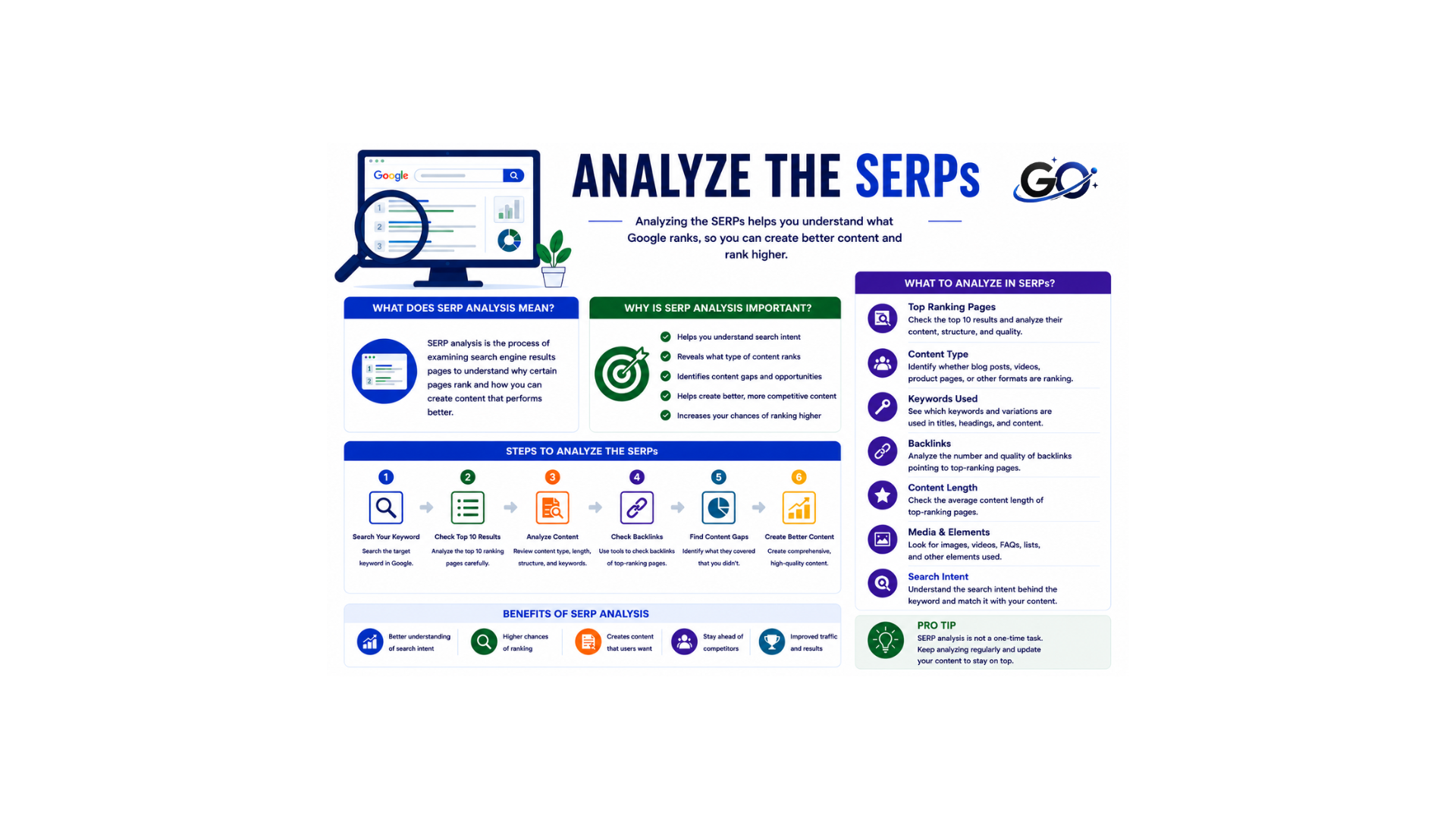
Before you start crafting content around your newly found low competition keywords, it’s wise to examine the search engine results pages for them. This reveals what’s already ranking, how strong the competition is, and what type of content Google deems most relevant.
To do this in Rank Tracker, stay in the same Keyword Sandbox module.Click the chart icon in the Keyword Difficulty column after selecting the keyword you wish to examine the SERP for.
This will direct you to the SERP Analysis module, where you can review all the important information regarding the relevant keyword.
Check Domain authority of competing websites
Just because you think you can match the search intent and earn more backlinks than those that are already ranking in the search results doesn’t mean it’s a good search term to target. You have to evaluate the authority or brand equity of the ranking sites and contrast it with your own. You can use a free domain authority checker to achieve this.
Let’s revisit the topic of “Best SEO Services for Small Business.”
These websites have rather high Domain Ratings (DR); WordStream, for example, has a DR of 90.
Examine the traffic potential
Finding low-competition keywords with great traffic potential is the aim, but these are often hard to come by. Finally, let’s go over some really simple techniques to locate them.
You may get a sense of the traffic by viewing the expected monthly organic traffic that each page in the search result receives on Ahref. you can anticipate if you land that particular job.
Finding low-competition keywords with Ahref’s Content Explorer is one such technique. First, the content matter is addressed. entering one of the initial seed keywords, such as content, link building, or SEO.
Understand Search Intent Before Choosing Keywords
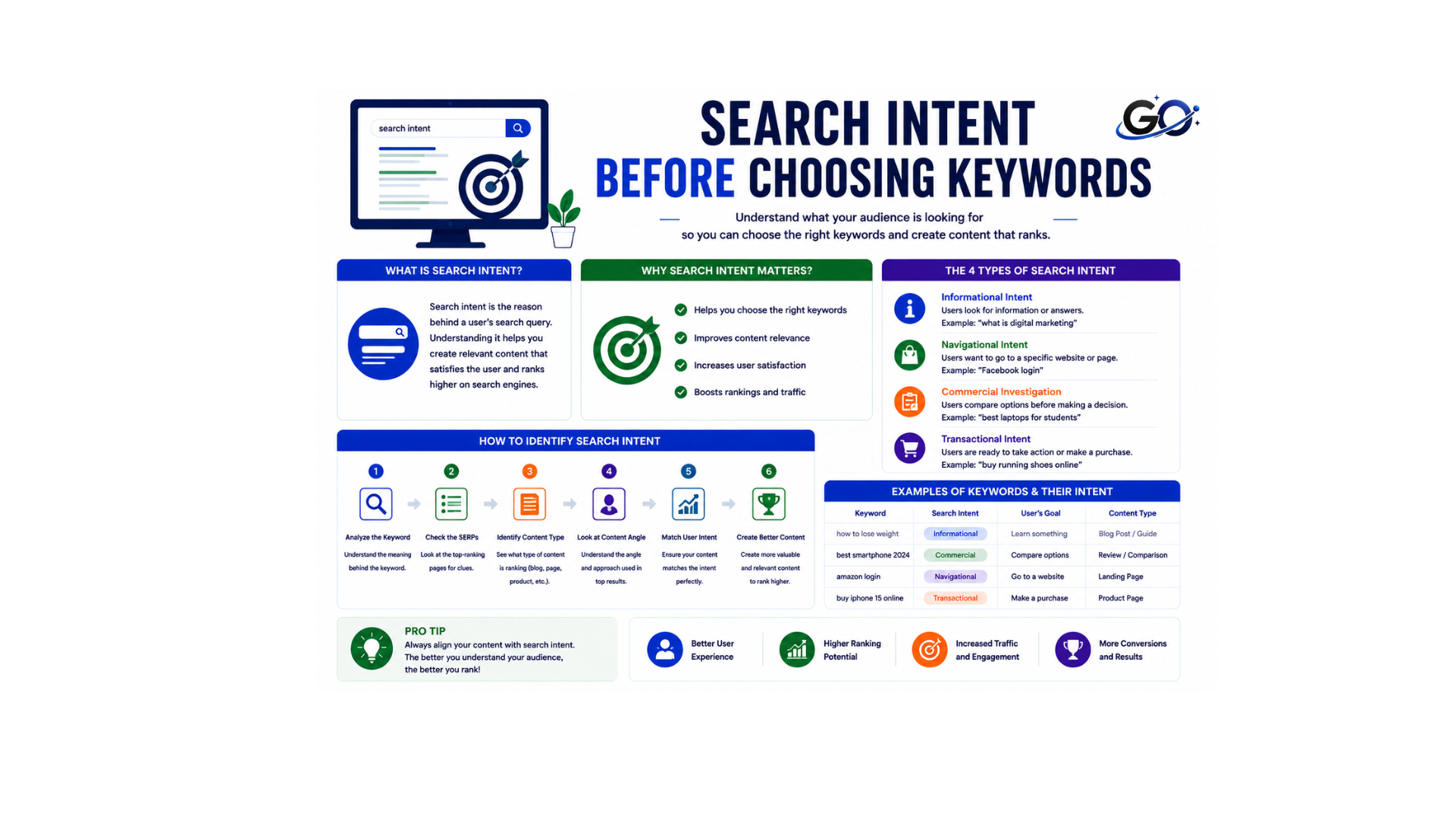
Search intent is the reason behind a search — what the person actually wants when they type something into Google or another search tool.
A keyword can have an attainable KD %, but your page also needs to match what searchers expect to find for you to be successful.
Search intent can be divided into four categories:
Informational: People are searching for information (what is, how to, etc.).
Navigational: People are searching for a certain webpage or website.
Commercial: Before deciding what to buy, searchers conduct research.
Transactional: Users are prepared to act (e.g., buy something).
Conversely, a low-competition term like “easy meal prep for weight loss” can be an ideal instructive topic for your site to cover and compete with already-published instructions.
Use Google Autocomplete
Finding low-competition keywords is made simple and efficient with Google Autocomplete.
Simply start typing a keyword into Google’s search bar. Google will automatically suggest related searches based on real user queries.
For example, typing “keyword research” may produce suggestions such as:
- keyword research for beginners
- keyword research tools free
- keyword research strategy
- keyword research for blogging
These suggestions often reveal long-tail keywords that have lower competition and high relevance.
Use Google Keyword Planner
Google Keyword Planner is a free tool designed primarily for advertisers, but it is also useful for SEO.
The tool provides:
- Keyword ideas
- Search volume estimates
- Competition levels
- Related keyword suggestions
To use it effectively, enter a seed keyword related to your niche and review the suggested keywords. Look for terms with moderate search volume and lower competition.
Google Keyword Planner can help identify keyword opportunities that many competitors overlook.
Use Free Keyword Research Tools
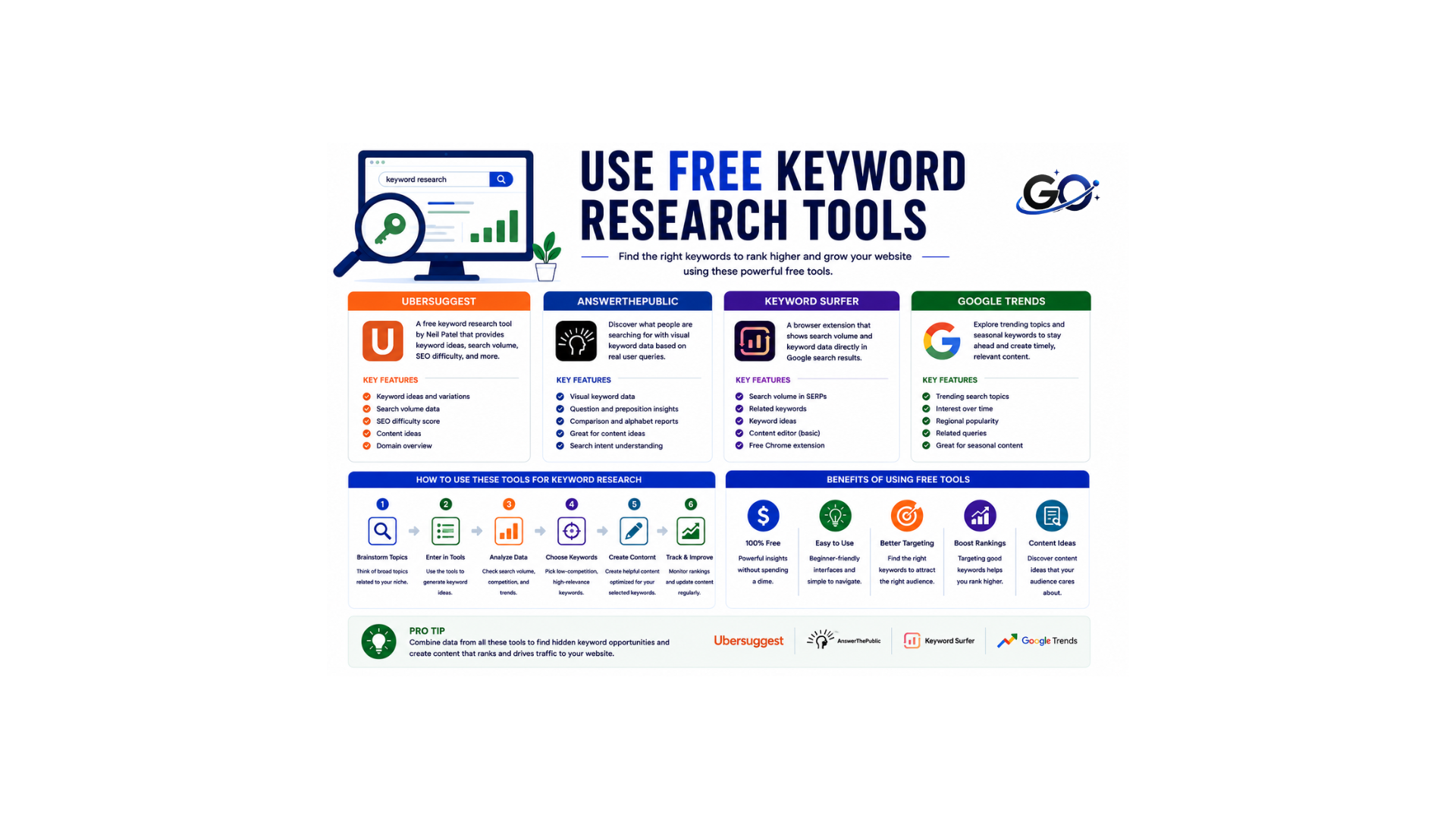
Many free tools can help uncover low competition keywords.
Ubersuggest
Ubersuggest provides keyword suggestions, SEO difficulty scores, search volume estimates, and content ideas.
AnswerThePublic
This tool generates keyword ideas based on common questions and search patterns.
Keyword Surfer
Keyword Surfer is a browser extension that displays keyword data directly within Google search results.
Google Trends
Google Trends helps identify emerging topics and seasonal keyword opportunities.
Using multiple tools together provides a more complete keyword research strategy.
Look for Questions on Forums and Communities
Forums and community sites, such as Reddit and Quora, are useful for finding valuable questions and trending topics in a given niche.
Let’s use the running specialty as an example.
You can find relevant subreddits, such as “freelancing” + “forum”
You can then browse posts on the subreddits to find topics to cover. You can filter by “hot” or “new” to potentially discover trending topics, which you can write about to potentially be featured on Google News or Discover.
Reddit discover new topics using the filter example
You can also perform a custom Google search using search modifiers to find relevant questions. Search modifiers include terms such as:
How
What
Where
When
For example, if many users ask about “how to find low competition keywords without paid tools,” this could become a valuable article topic.
Target Local SEO Keywords
Local SEO keywords often have lower competition than national keywords.
Examples include:
- SEO consultant in Faisalabad
- Digital marketing agency in Lahore
- Web design services in Islamabad
These keywords help businesses attract local customers and improve visibility in location-based searches.
For local businesses, targeting geographic keywords can generate highly qualified leads.
Evaluate Search Volume and Competition Together
Many beginners focus only on search volume, which can be a mistake.
A keyword with thousands of searches may be difficult to rank for if competition is extremely high.
Instead, look for a balance between:
- Search volume
- Keyword difficulty
- Search intent
- Relevance
A keyword receiving 300 monthly searches with low competition seo may generate more traffic than a keyword receiving 10,000 searches that never ranks.
Common Mistakes to Avoid
Chasing Zero-Difficulty Keywords
Something may be wrong if a keyword has almost no difficulty and a respectable volume. Verify if the volume data is correct, if the intent is unclear, or if it causes AI Overviews, which can steal clicks.
Ignoring Search Volume Entirely
According to some SEO guidelines, “ignore volume and focus on intent.” That’s partially correct. Although content creation for a term with 20 monthly searches is rarely a good use of your time unless those 20 searches are very high-value, intent is crucial.
Only Targeting Informational Keywords
Although they are usually easier to rank for, informational keywords (“how to…,” “what is…”) are also more difficult to monetise. Add some commercial-intent keywords that are more likely to result in a conversion action to your combination of keywords (“best…,” “tool for…,” “vs”).
Picking Keywords Without Checking the SERP
I can’t emphasise this enough: the SERP is accurate, while the difficulty score is a guess. Prior to committing to a keyword, always verify who is truly ranking.
Best Strategy for Beginners
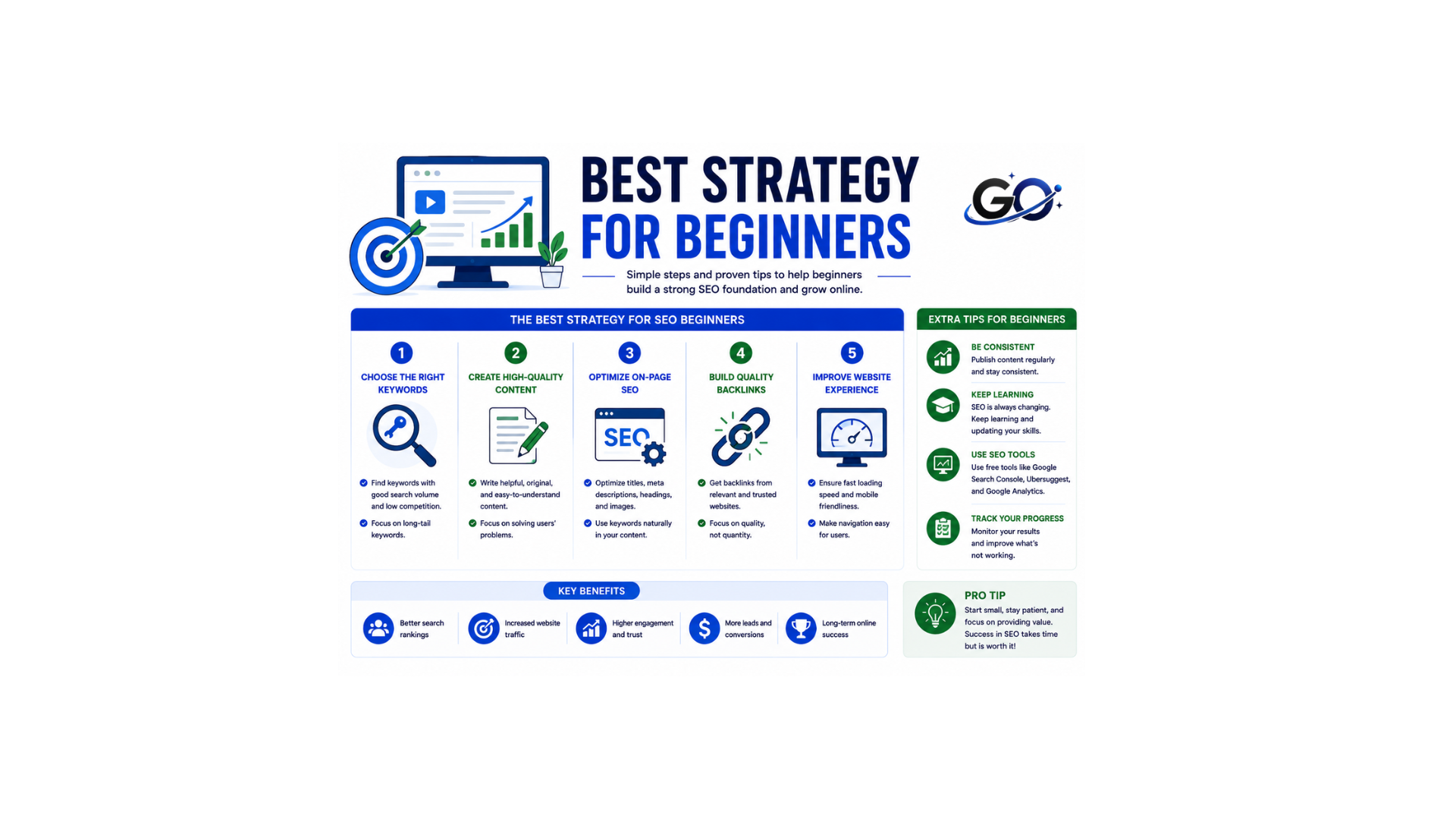
Many beginners struggle with SEO Keywords with Low Competition, but the process becomes easier with practice.
- Choose a niche topic.
- Use Google Autocomplete for ideas.
- Find long-tail keywords.
- Check keyword difficulty.
- Analyze competitors.
- Create comprehensive content.
- Optimize headings and meta descriptions.
- Monitor rankings and traffic.
This approach can help new websites achieve faster SEO growth.
Conclusion
Finding low-competition keywords is one of the most important SEO talents. Instead of competing against large websites for highly competitive search terms, you can target keywords that offer realistic ranking opportunities and attract highly targeted visitors.
Use tools such as Google Keyword Planner, Ubersuggest, Google Trends, and AnswerThePublic to discover keyword ideas. Focus on long-tail keywords, analyze competitors, understand search intent, and create high-quality content around your chosen topics.
By consistently targeting low competition keywords and publishing valuable content, you can improve your search engine rankings, increase organic traffic, and build long-term SEO success for your website.