

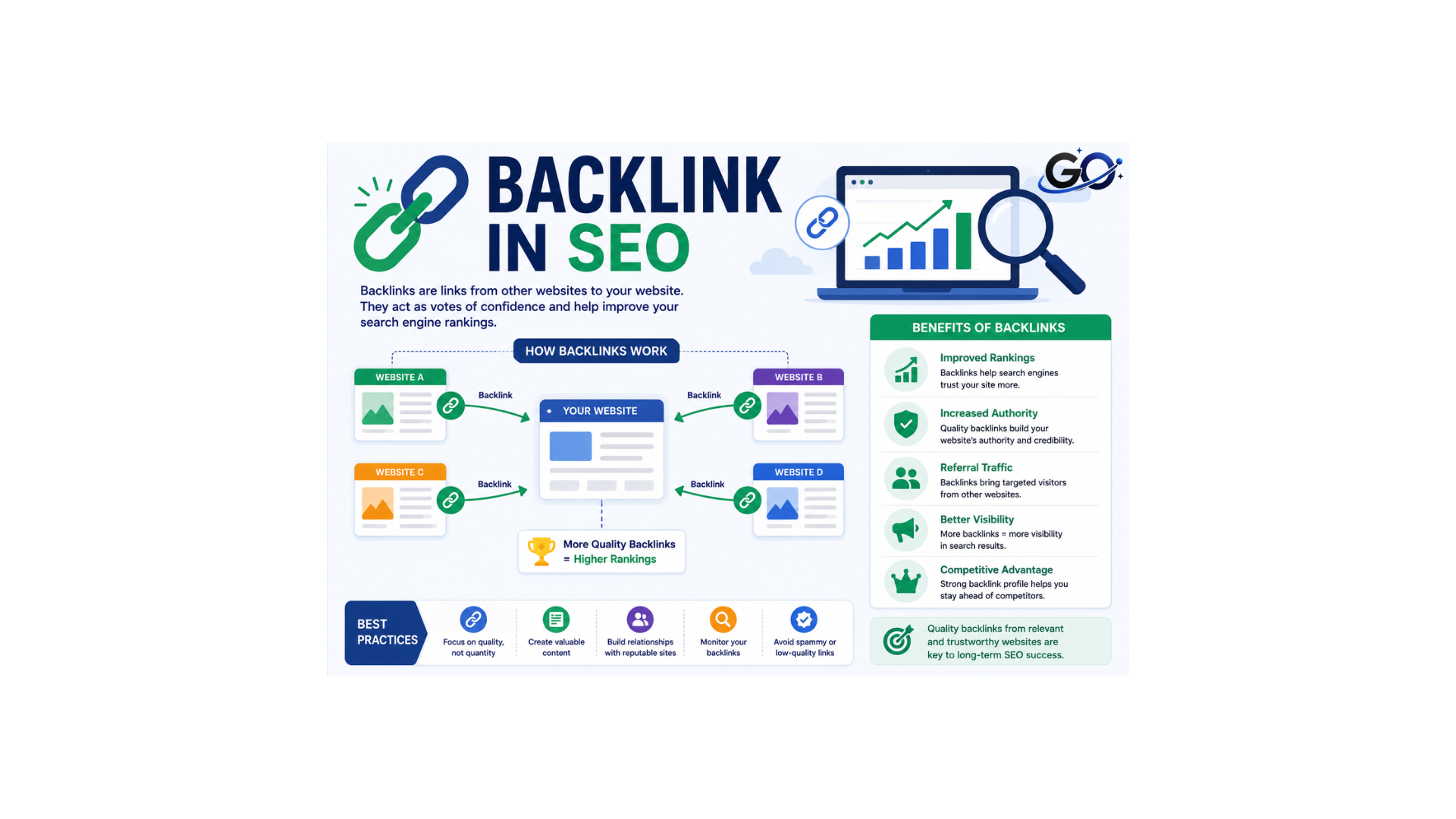
Discover what a backlink is in SEO, how it boosts search rankings, increases website authority, and drives more organic traffic online. Learn what is a backlink in SEO, the different types of backlinks, anchor text, link juice, backlink analysis, and backlink-building strategies. Understanding what is a backlink can help improve website authority, increase organic traffic, and strengthen your overall SEO performance. If you are new to SEO, knowing what is a backlink is an important first step. This article answers the question what is a backlink in simple terms and shows how what is a backlink relates to long-term SEO success. Finally, you will discover what is a backlink and how to use backlinks effectively in your SEO strategy.
Why Are Backlinks Important?
Acquiring backlinks (link building) is the cornerstone of search engine optimization (SEO).You can raise your search rating with more backlinks from distinctive domains. And in a study, we verified this.
We conducted an experiment as well. It investigated the impact of deleting backlinks to select pages on their traffic. After we disavowed the backlinks and instructed Google to disregard them, traffic decreased. After we deleted the disavow file, traffic increased.
Backlinks are crucial for another reason. The pages on your website are more discoverable thanks to backlinks. This means search engines may find your content faster if you get more quality backlinks.
Types of Backlinks
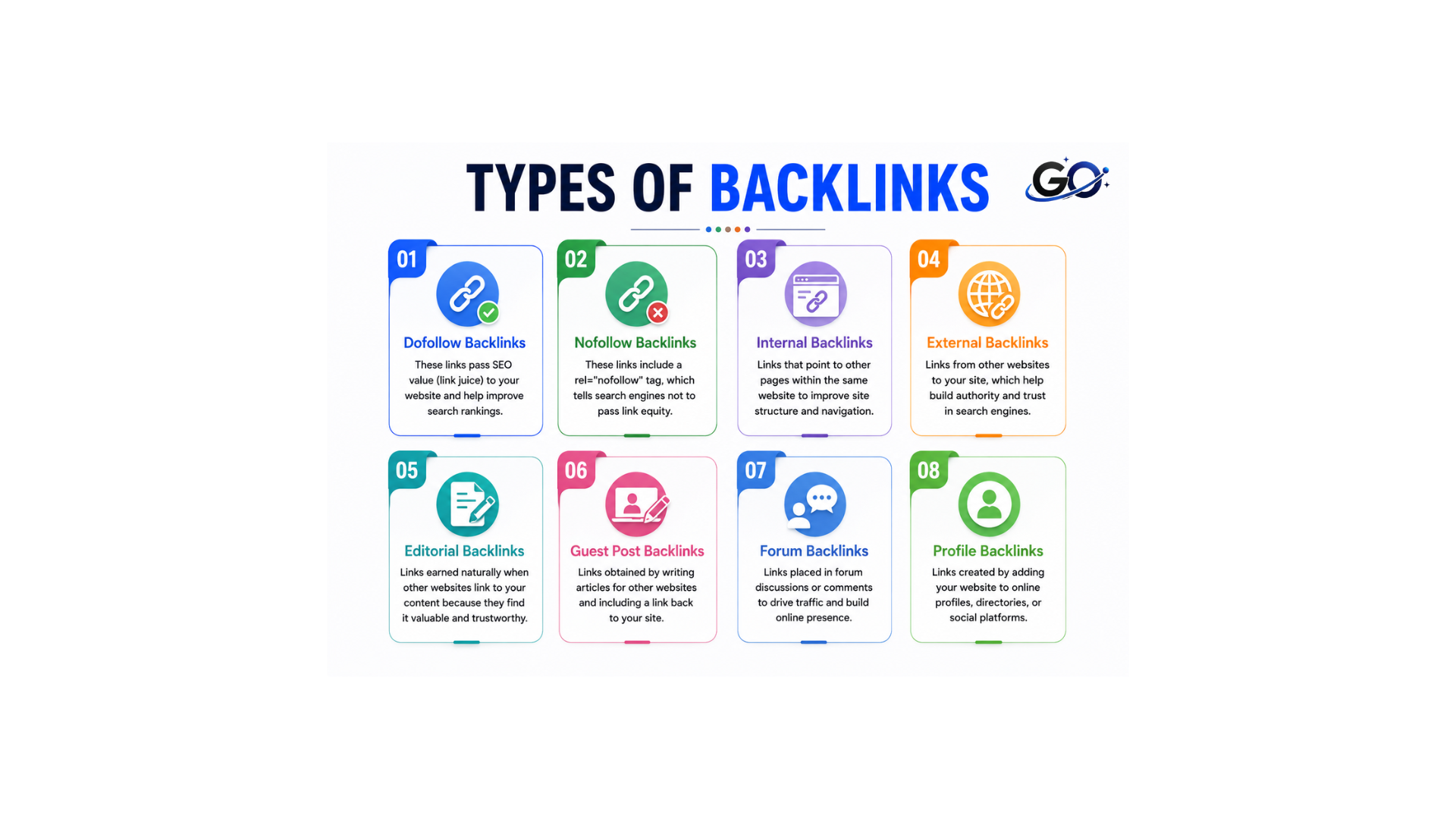
There are different types of backlinks in SEO, and each has a different level of value. A natural backlink profile contains a mix of different link types.
The most common types include dofollow backlinks, nofollow backlinks,Internal backlinks,External backlinks, editorial backlinks, guest post backlinks, forum backlinks, and profile backlinks. Each type contributes differently to SEO performance.
A balanced backlink profile looks more natural to search engines and improves long-term ranking stability.
1. Dofollow Backlinks
Dofollow backlinks are the most valuable type of backlinks because they pass SEO authority from one website to another. These backlinks are valuable for improving the search engine ranking of the linked website, as they contribute to its overall authority and credibility.
Most natural backlinks are dofollow links unless they are manually tagged otherwise. When a trusted website gives you a dofollow backlink, it strengthens your domain authority and ranking potential.
2. Nofollow Backlinks
Nofollow backlinks contain a special tag that instructs search engines not to pass full ranking authority to the linked page. These links are commonly found on social media platforms, forums, blog comments, and other user-generated content.
Although they do not directly transfer SEO value, nofollow backlinks can still drive targeted traffic and increase brand awareness. They also help websites gain visibility among new audiences and create a more natural backlink profile. Sponsored content, paid advertisements, and community-driven platforms often use this type of link.
3. Internal backlinks
These are the links that link one page on your website to another. Although they don’t function as endorsements like external links, they are crucial to maintaining the structure and usability of your website. . For example, linking from your homepage to a new blog post helps both users and search engines discover it faster.
4. External backlinks
These originate from other websites and are also known as inbound links. Because they demonstrate that external sources have faith in your material, they are among the most effective for SEO. An industry blog linking to your guide, for instance, establishes your website as an expert on the subject.
5. Editorial Backlinks
Editorial backlinks are the most powerful type of backlinks because they are earned naturally.Usually, these links are obtained by publishing excellent content that benefits the audience of the target website.
They are highly trusted by search engines because they are not created artificially. Editorial backlinks usually come from blogs, news websites, and authority platforms.These links significantly improve SEO performance and website credibility
6. Guest Post Backlinks
Guest post backlinks are created when you write content for another website and include a link back to your own site. This is one of the most popular SEO strategies.
Guest posting helps build authority, gain exposure, and earn relevant backlinks. However, it should only be done on high-quality and niche-related websites.Low-quality guest posting can negatively affect SEO instead of helping it.
7. Forum Backlinks
Forum backlinks come from online discussion platforms where users share information and answers. When you contribute helpful content and include relevant links, you may gain backlinks.
These links can help generate traffic and engagement. However, spammy forum posting should be avoided because it can harm your website’s reputation.Only meaningful participation should be used for SEO purposes.
8. Profile Backlinks
Profile backlinks are created by adding your website URL to online profiles or accounts. These are easy to create and often used for SEO diversity.However, they usually have low SEO value compared to editorial or guest post backlinks.
They are best used as a supporting strategy rather than a main link-building method.links from your profile on social media sites, forums, and other websites. These links are often part of your user profile and may or may not have significant SEO value, depending on the authority of the platform.
What Is Anchor Text?
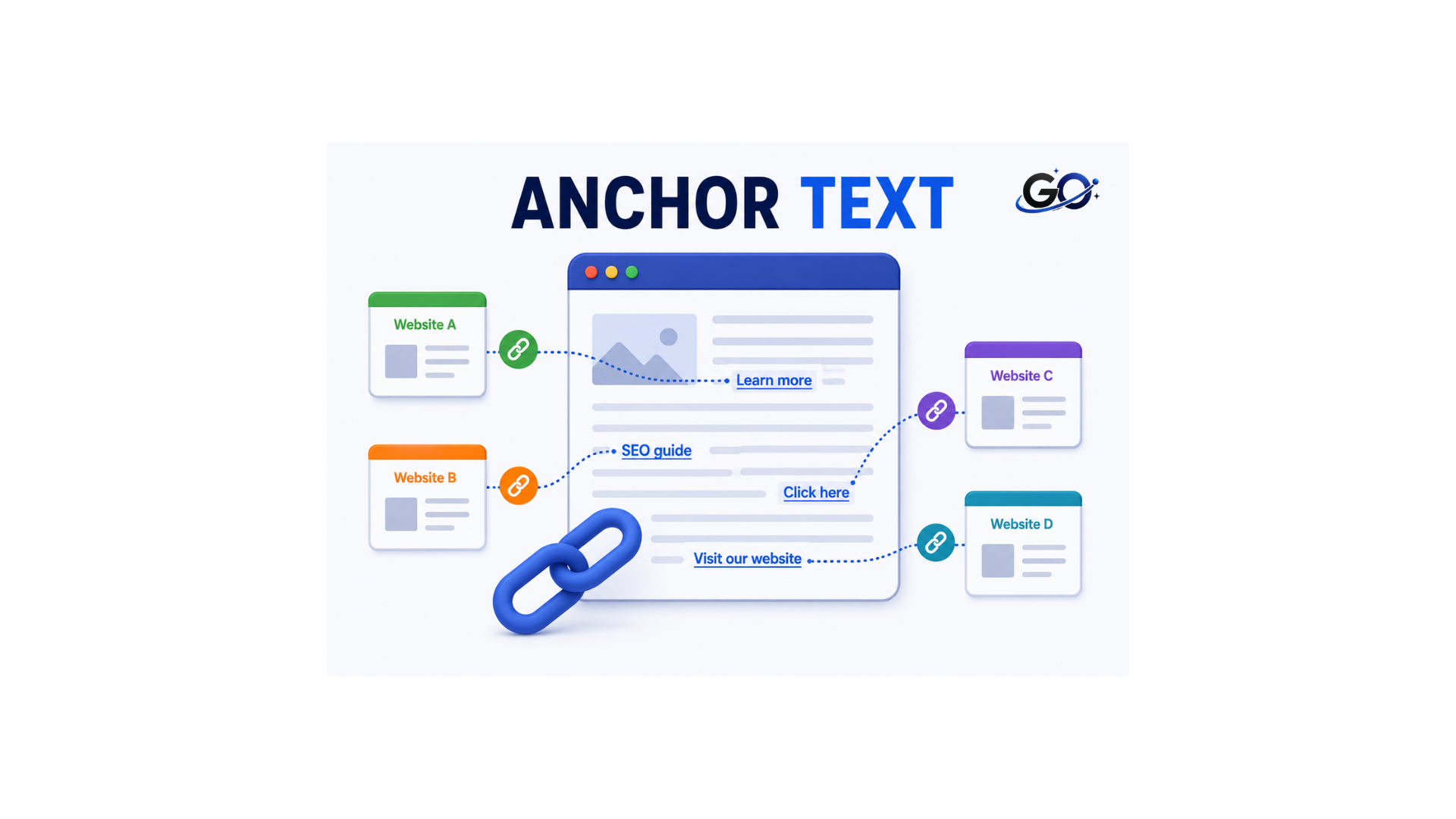
The text in a hyperlink that can be clicked is called anchor text. It aids search engines in comprehending the content of the linked page. Using relevant anchor text improves SEO relevance and clarity.
However, over-optimized or repetitive anchor text can look unnatural and may harm rankings. A natural mix of anchor text types is always recommended for a healthy backlink profile.
Types of Anchor Text
There are various sorts of anchor text. While partial matches include variations of the target phrase, exact matches use the target keyword.
The website or business name is used in branded anchor text. Phrases like “click here” or “read more” are examples of generic anchor text. A balanced combination of all types creates a natural and safe backlink profile.
1. Exact Match Anchor Text
This kind makes use of the precise keyword you wish to rank for. For example, using “SEO tools” as anchor text. It is powerful but should be used carefully to avoid over-optimization.
2. Partial Match Anchor Text
Partial match anchor text includes variations of the main keyword.
For example, “best SEO tools for beginners” instead of just “SEO tools.
It looks more natural and is safer for SEO.
3. Branded Anchor Text
Your website name or brand is used in branded anchor text.
For example, “Google,” “Ahrefs,” or your own website name.
It helps build trust and brand authority.
4. Naked URL Anchor Text
This type uses the full URL as the anchor text, such as “https://example.com”.
It is commonly used in citations and looks very natural.
5. Generic Anchor Text
Phrases like “click here” or “read more” are examples of generic anchor text.
It does not contain keywords but helps create a natural link profile.
What Is Link Juice?
Link juice is an SEO term that describes the value or authority passed from one page to another through backlinks. When a high-authority website links to your page, it transfers some of its strength.
This helps improve your search rankings and visibility. However, the amount of link juice depends on relevance, authority, and link placement.
High-quality backlinks pass more link juice than weak or irrelevant ones.
Domain and Page Authority
The more authoritative the domain and page linking to your website, the more A backlink from the World Health Organization, for instance, is probably going to have more weight than one from a tiny, obscure health blog.
Gaining backlinks from websites and pages with different levels of authority is common. quality backlinks when you’re building links to your own site.
While Google and AI tools don’t provide any metrics to gauge authority, Semrush’s Authority Score (AS) can be used as an approximation. The authoritativeness of pages and domains is determined by:
- Link power: The quality and quantity of backlinks
- organic traffic: The approximate quantity of unpaid search engine visits each month
- Natural profile: How natural (rather than spammy) their backlink profile seems to be
It’s also wise to try getting backlinks from websites that consistently publish well-researched, accurate, and helpful content. Based on brand mentions and user interaction signals, these websites are probably going to be seen as more authoritative.
What Are Referring Domains?
Referring domains are unique websites that link to your site. Having backlinks from multiple domains is more valuable than getting many links from a single website.
Search engines prefer diversity because it looks more natural and trustworthy. More referring domains usually indicate stronger SEO performance.
This is why SEO experts focus on building links from multiple sources.
What Is Backlink Analysis?
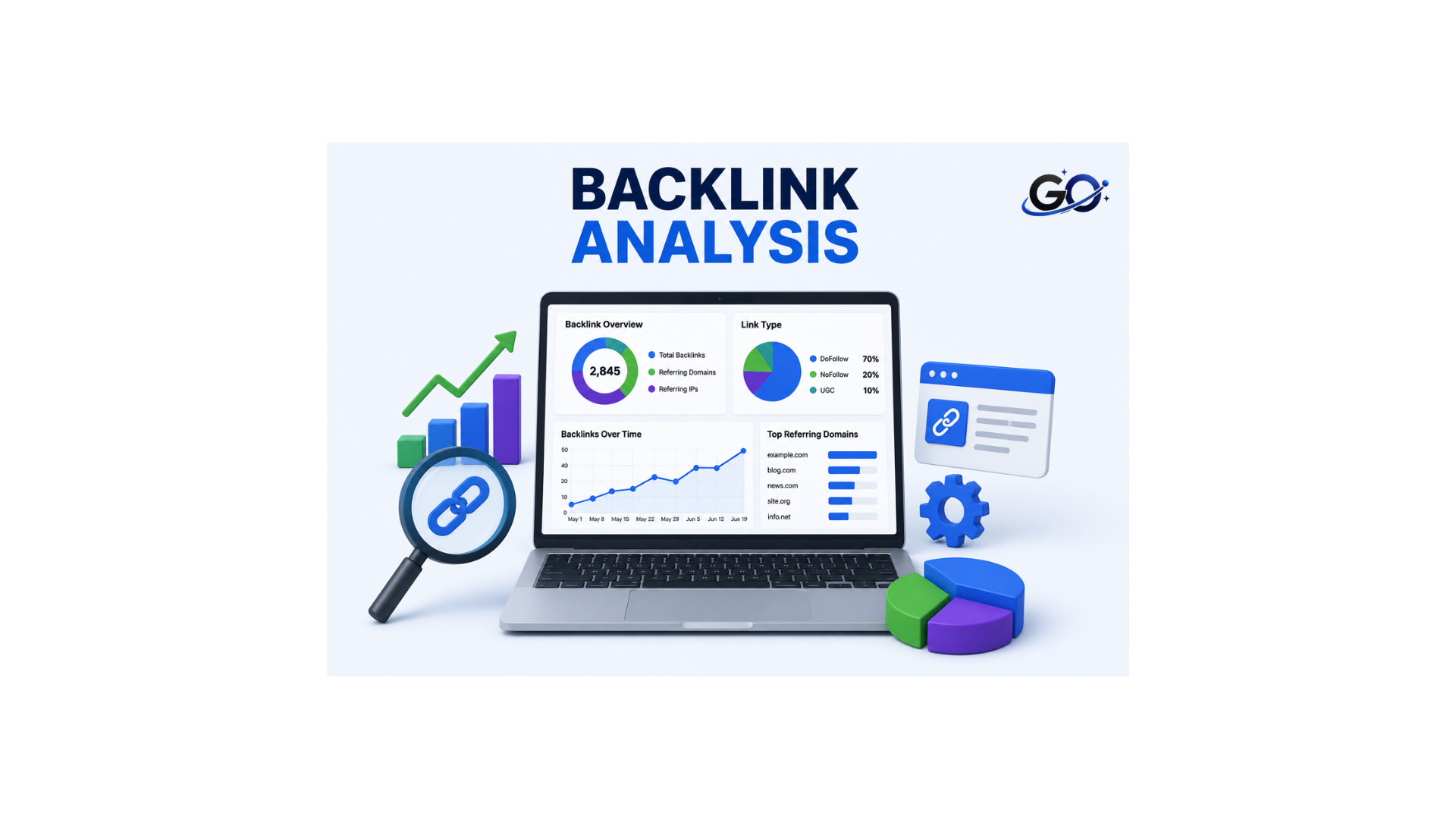
Backlink analysis is the process of reviewing and evaluating all backlinks pointing to your website. It helps identify strong, weak, and harmful links.
It is also used to analyze competitor backlinks and find new opportunities. Regular backlink analysis is important for maintaining a healthy SEO profile.
It ensures your website stays safe from spam or toxic links.
What Is a Backlink Audit?
A backlink audit is a detailed review of all backlinks to evaluate their quality and impact.
It helps identify toxic, spammy, or irrelevant links that may harm SEO performance.
Regular audits ensure your backlink profile remains clean and healthy for long-term ranking success.
Best Backlink Checker Tools
Backlink checker tools are used to monitor and analyze backlinks. They show important data such as referring domains, anchor text, and link quality.
Popular tools include Ahrefs, SEMrush, Moz, and Google Search Console. These tools help SEO professionals track performance and improve strategies.
Each tool provides different insights, so using multiple tools is often beneficial.
What Are Toxic Backlinks?
Toxic backlinks are harmful links coming from spammy or irrelevant websites. These links can negatively affect your SEO performance.
Too many toxic backlinks may signal manipulation to search engines and reduce rankings. For this reason, routine observation is crucial.
Removing or disavowing harmful backlinks helps protect your website’s SEO health.
How to Build High-Quality Backlinks
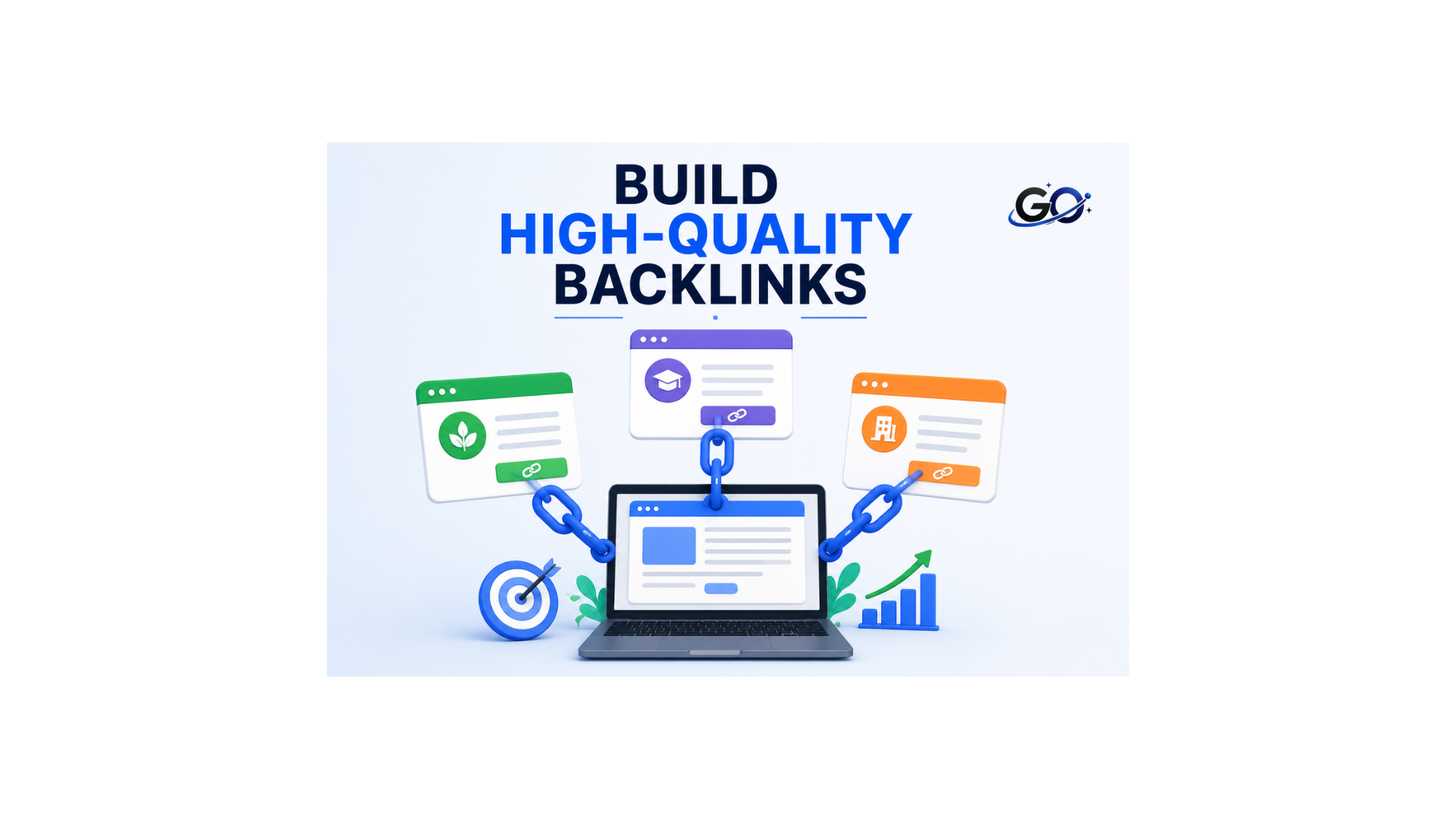
The quality of backlinks is a critical factor in SEO.Links from high-authority, reputable sites carry more weight and are more beneficial for a site’s search engine ranking than links from lesser-known, low-authority sites.
Search engines view high-quality backlinks as recommendations from reliable sources, which increases the linked-to website’s credibility.For this reason, one of the main objectives of any SEO plan is to obtain backlinks from reputable, well-known websites.
Conclusion
Backlinks are a fundamental part of SEO because they help build authority, trust, and visibility. They act as recommendations from other websites that validate your content.
A successful SEO strategy focuses on earning high-quality and relevant backlinks instead of spammy or low-value links. When combined with good content and optimization, backlinks can significantly improve search rankings and organic traffic.