

What Is SEO Content Writing is the practice of creating high-quality, keyword-optimized content designed to rank on search engines and attract organic traffic. It focuses on user intent, readability, and strategic keyword placement. This guide helps beginners understand how SEO content writing improves visibility, engagement, and long-term digital marketing success.
Why SEO Content Writing Is Important
As I mentioned before, SEO is crucial for writing since it raises a website’s or webpage’s exposure and ranking on search engine result pages (SERPs). when users look up keywords associated with the website’s content. This increases the likelihood that individuals will visit the webpage or website, which may lead to an increase in leads, sales, and website traffic.
SEO can be used to target keywords and phrases that are pertinent to a website or business, increasing the likelihood that those looking for similar goods or services would find the website or business.
Additionally, SEO can be used to improve a website or webpage’s structure and layout, making it easier to use and navigate. This can help visitors stay on the website or webpage for longer.
How SEO Content Writing Works
SEO content writing works by understanding what people are searching for online and creating content around those topics. Writers use keywords naturally in the article so search engines can understand the page topic.
The process usually includes:
- Keyword research
- Understanding search intent
- Writing quality content
- Optimizing headings and meta tags
- Adding internal and external links
- Improving readability
- Updating content regularly
When these elements are properly combined, search engines are more likely to rank the content higher.
Keyword Research in SEO Content Writing

Keyword research is one of the most important parts of SEO content writing. The words and phrases that users enter Google are known as keywords.
For example:
- “SEO tools”
- “What is SEO”
- “Best laptops for students”
Writers use keyword research tools to find:
- Search volume
- Competition level
- Related keywords
- User intent
Types of Keywords
1. Short-Tail Keywords
These are popular terms that receive a lot of searches.
Example: “SEO”
2. Long-Tail Keywords
These are longer and more specific phrases.
Example: “best SEO tools for beginners”
3. Informational Keywords
Used when people want information.
Example: “how SEO works”
4. Navigational Keywords
These keywords are used when users want to find a specific website, brand, or webpage.
Example: “Google Keyword Planner” or “Ahrefs login”
5. Commercial Keywords
These keywords are used when users are researching products or services before making a purchase decision.
Example: “best SEO software” or “top SEO tools for small businesses”
6. Transactional Keywords
Used when people want to buy something.
Example: “buy SEO software”
Using the right keywords naturally helps improve rankings and content relevance.
Important Elements of SEO Content Writing
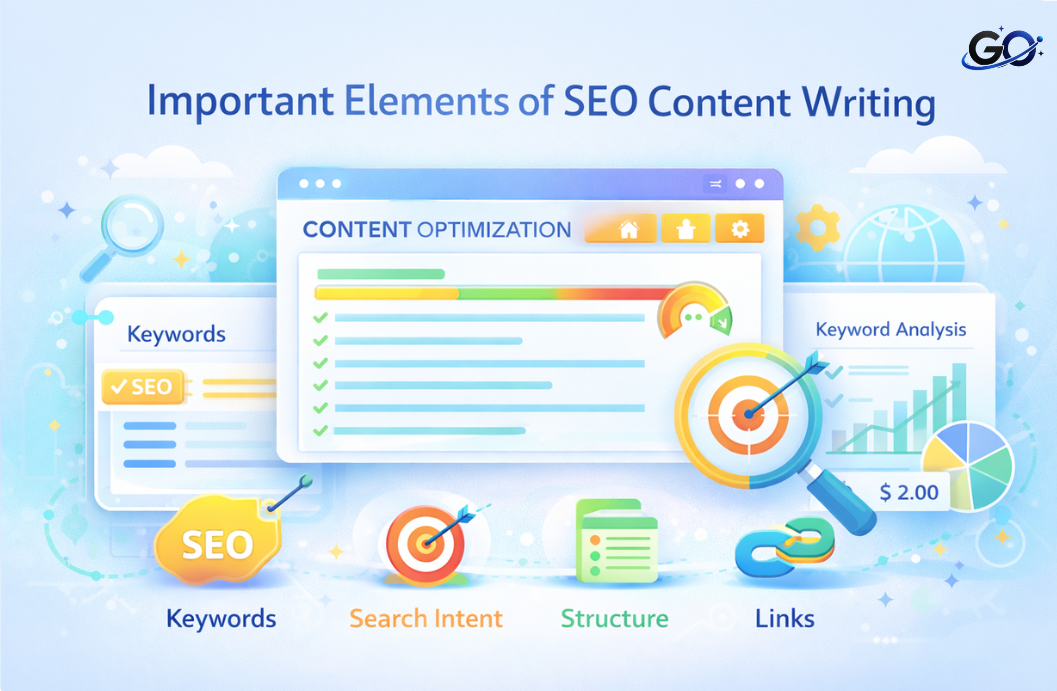
1. High-Quality Content
The cornerstone of effective SEO content writing is high-quality content. It should be original, informative, and provide real value to readers. Search engines like Google prioritize content that answers user questions clearly and accurately. Well-written content also helps build trust, improve engagement, and increase the chances of ranking higher in search results.
2. Proper Headings
Proper headings help organize content and make it easier to read and understand. Using H1, H2, and H3 tags creates a clear structure for both users and search engines. Well-structured headings improve readability, allow readers to scan content quickly, and help search engines understand the main topics covered on the page.
3. Keyword Optimization
Keyword optimization involves placing relevant keywords naturally throughout the content. Important areas include the title, introduction, headings, URL, meta description, and body text. Proper keyword usage helps search engines understand the topic of the content and improve its visibility. However, keywords should be used naturally to avoid keyword stuffing.
4. Readability
Readability is essential because users prefer content that is easy to understand. Short paragraphs, simple language, bullet points, and clear formatting make content more user-friendly. Readable content keeps visitors engaged, reduces bounce rates, and improves the overall user experience, which can positively impact SEO performance.
5. Internal Linking
One of the best ways to optimize your content for both visitors and search engines is to include internal links.
Internal links are helpful to users because they help them find related content on your site.
Additionally, they aid search engines in indexing the pages on your website and comprehending their architecture and structure.
6. Link to High-Quality External Pages
In your SEO writing, you should also provide links to external pages that may offer helpful materials like studies or data. Alternatively, you might include links to articles that offer further background information or an alternative viewpoint on the subject.
Just be careful to link to reputable websites rather than dubious or spammy ones. This entails selecting websites with strong domain authority and industry repute.
7. Meta Description
Meta descriptions don’t directly impact Google rankings.
An eye-catching meta description CAN boost your organic click-through-rate.
So, I recommend writing a unique meta description for every page on your site. And make that meta description something that will make Google searchers want to click on your result.
8. Image Optimization
Images play an important role in enhancing the visual appeal of content. To improve SEO, images should have descriptive file names, optimized sizes, and relevant alt text. Proper image optimization helps search engines understand image content, improves page loading speed, and can increase visibility in image search results.
Types of SEO Content
Writing content for SEO encompasses a variety of content categories, including:
1. Blog Posts
A blog is one of the easiest ways to create a regular stream of eff, Bective SEO content. In general, blog posts are more engaging and more likely to attract links than product pages, so they can be a great way to build some authority for your site. Remember that blogs are incredibly adaptable, and you may use them to host any of the content kinds listed below.
2. Product Descriptions
Product descriptions are essential for eCommerce websites. They explain product features, benefits, and specifications while incorporating relevant keywords. SEO-friendly product descriptions improve product visibility in search results, attract potential customers, and increase the likelihood of conversions and sales.
3. Website Pages
Important website pages such as homepages, service pages, and landing pages should be optimized for SEO. These pages help communicate a business’s offerings while targeting valuable keywords. Proper optimization improves search engine visibility, enhances user experience, and supports overall business goals.
4. Guides and Tutorials
Guides and tutorials provide step-by-step instructions that help users solve problems or learn new skills. This type of content often attracts organic traffic because it offers practical and actionable information. Comprehensive guides can also improve user engagement and establish a website as a trusted source of information.
5. Reviews
Reviews help users make informed decisions about products, services, or tools. Detailed and honest reviews often rank well in search engines because they address common user questions and concerns. High-quality reviews can attract targeted traffic, build credibility, and increase audience trust.
SEO Content Writing vs Normal Content Writing
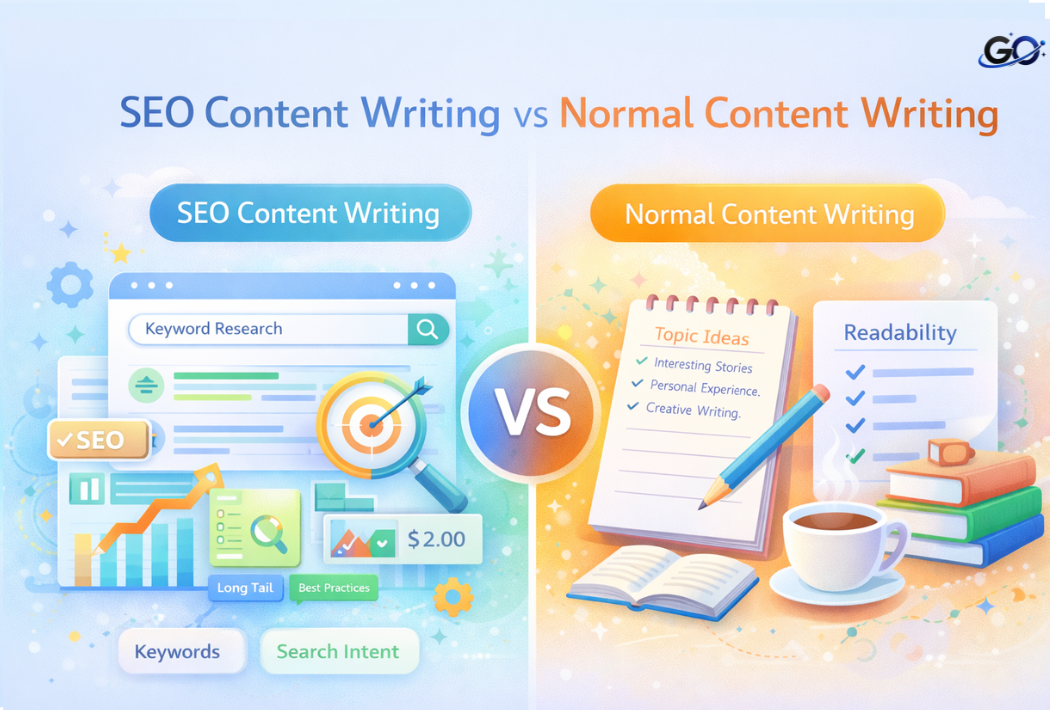
Normal content writing mainly focuses on creativity and information, while SEO content writing focuses on both readers and search engines.
Normal Content Writing
- Focusing mainly on readers
- May not include SEO optimization
- Limited keyword strategy
SEO Content Writing
- Optimized for search engines
- Uses keyword research
- Focuses on rankings and traffic
- Includes SEO structure and formatting
SEO content writing balances user experience with search engine optimization.
Best Practices for SEO Content Writing
To create successful SEO content, follow these best practices:
Understand Search Intent

Adding keywords to your website used to be the focus of SEO authoring.
Sure, optimizing your content around keywords is still super important. But it’s not enough.
These days, your content must also align with “Search Intent.”
Put differently:
Someone looking for your keyword should find what they’re looking for in your article.
For instance, I wanted to rank for the keyword “conversion rate optimization” at the beginning of this year.
Write for Humans First
The primary goal of SEO content should always be to help readers. Content should be natural, informative, and engaging rather than written solely for search engines. When users find value in your content, they are more likely to stay on your website, share your content, and return in the future.
Use Keywords Naturally
Keywords should be integrated naturally into the content without disrupting readability. Overusing keywords can make content sound unnatural and may negatively affect rankings. A balanced approach ensures that content remains user-friendly while still helping search engines understand its topic and relevance.
Create Engaging Headlines
An engaging headline is crucial because it creates the first impression of your content. Strong headlines capture attention, encourage clicks, and improve click-through rates. Including relevant keywords in headlines can also enhance SEO while making the content more appealing to potential readers.
Optimize for Mobile Users
With most internet users browsing on mobile devices, mobile optimization is more important than ever. Content should be easy to read on smaller screens, and websites should load quickly and function smoothly. A mobile-friendly experience improves user satisfaction and supports better search engine rankings.
Update Old Content
Refreshing old content helps keep information accurate and relevant. Adding new data, updating statistics, and improving outdated sections can boost rankings and attract new visitors. Search engines often favor updated content because it provides users with the most current and useful information available.
Use Internal and External Links
Internal links connect related pages within your website, helping users discover more content and improving site navigation. External links to trustworthy sources add credibility and provide additional value to readers. Together, these links enhance user experience and support stronger SEO performance.
Focus on User Experience
A key component of SEO success is user experience.Fast-loading pages, clear navigation, attractive design, and easy-to-read content help keep visitors engaged. A positive user experience encourages longer visits, reduces bounce rates, and increases the likelihood of achieving higher search engine rankings.
.
Common SEO Content Writing Mistakes
Many beginners make mistakes that hurt SEO performance. Some common mistakes include:
- Keyword stuffing
- Copying content
- Ignoring search intent
- Poor readability
- Using weak headlines
- Not optimizing images
- Writing very short content
Avoiding these mistakes can improve both rankings and user experience.
Future of SEO Content Writing

SEO content writing continues to evolve as search engines become smarter. Google now focuses more on:
- Helpful content
- User experience
- Content quality
- Expertise and authority
- AI and semantic search
Writers who create valuable and user-focused content will continue to succeed in SEO.
Conclusion
Writing SEO content is an essential component of digital marketing that helps companies increase their online presence and draw in new clients. You may improve your search engine results, increase website traffic, and eventually enhance conversions and sales by producing high-quality, keyword-rich content that is pertinent to your target audience. If you’re looking to improve your online presence and reach your target audience, then investing in SEO content writing is a must.